Blog · Trade Shows · September 8, 2026
What a trade show video actually costs
Loops, explainers, and mixed-media films: honest numbers, what drives the price, and where not to cut.
3 min read · Moonshine Media Group
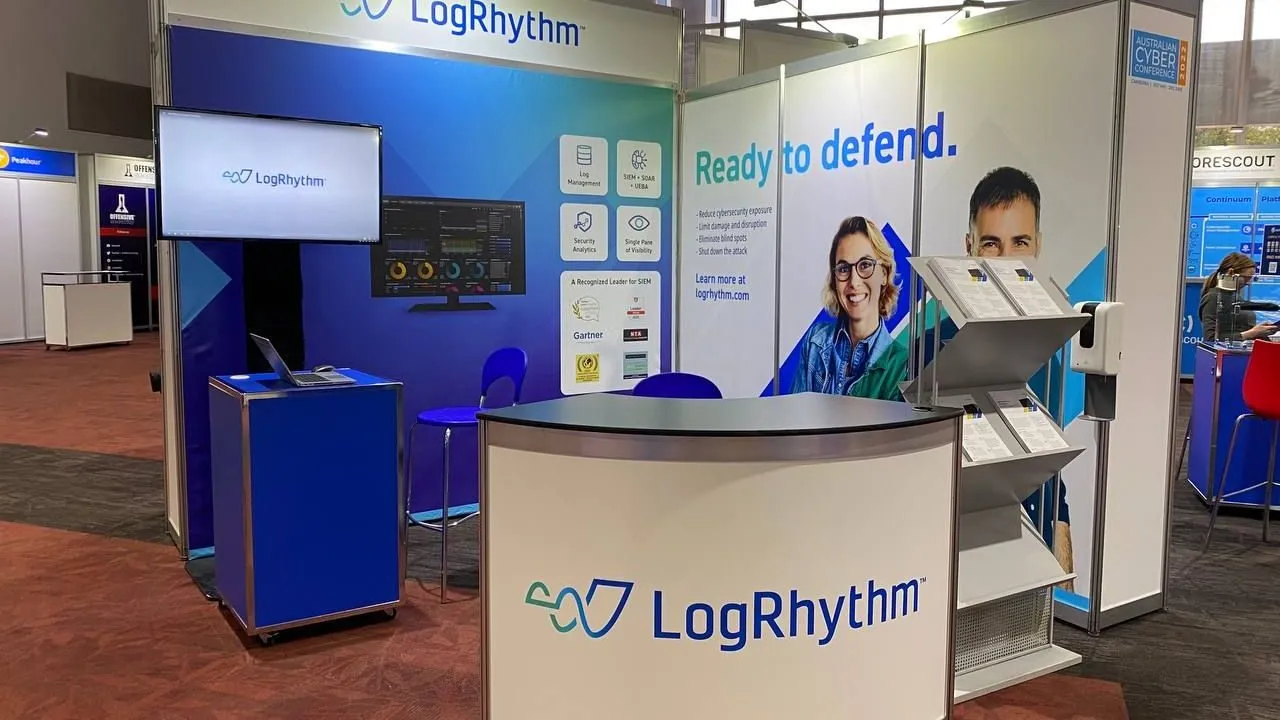
Most studios will not put a number on a page. We do, because the question you are really asking is not “how much” but “is this the right size of decision for us.” Here is how the math works, with the same rate we quote from.
The rate
2D motion design runs $215 per finished second. That number includes script, storyboard, design, animation, sound, and revisions. It is not a starting price that grows once you are committed. It is the price of a finished second, delivered.
So the fastest way to estimate any animated booth piece is to decide how long it needs to be and multiply.
The three things you would buy for a booth
The exhibit loop. 15 to 45 seconds, silent, high contrast, made to be read from thirty feet away by someone walking past at three miles an hour. At $215 a second, a 15-second loop is about $3,200. A 30-second loop is about $6,500. A 45-second loop is about $9,700. Most booths land at 30 seconds, because a loop longer than that starts repeating its own opening before anyone has finished watching.
The product explainer. 60 to 120 seconds, narrative, played on a secondary screen or a sales tablet while your team is busy with someone else. A 60-second explainer is about $13,000. A 90-second explainer is about $19,000. These carry voiceover and a real script, so pre-production is the bigger part of the work.
The use-case film. Mixed media: live action, motion graphics, and product demo in one piece. There is no per-second rate here because a shoot day, a crew, and a location change the math. We scope it on a call and quote it fixed.
What moves the number
A few things push a quote above the rate. 3D. Character animation. Live-action integration. Extra revision rounds past the ones included. Rush timelines. None of these are hidden. They show up as line items on the quote before you sign anything.
What does not move the number: the number of screens it plays on. A 4K master plus cut-downs for the LED wall, the booth monitor, web, and social are part of delivery.
Where not to cut
The temptation is to shorten the loop to save money. A 15-second loop is cheaper than a 30-second one, but it is not half as effective. A booth loop has one job, which is to stop feet. The first three seconds do that. The next twenty-seven give the person a reason to walk over. Cut those, and you have a very affordable logo animation.
The other false economy is skipping the storyboard. Every problem caught on paper costs a fraction of one caught in animation. We do not skip it, and the rate above already includes it.
The timeline is the real constraint
A simple loop takes 4 to 6 weeks from script to delivery. Complex product demos with animation or an on-location shoot run up to 10 weeks. Add the time your team needs to approve a script and a storyboard, and the honest answer is that a show eight weeks out is comfortable, and a show four weeks out is a rush.
If you know your show date, work backwards from it. That single number tells you which of the three pieces above is realistic, and we will tell you straight if it is not.