Testimonial video production
Let the customer do the selling.
Testimonial, customer story, and case study videos where a real customer explains the problem, the decision, and the result, in their words, on camera. Priced per finished second, on this page, so you can plan a year of them.
Clients we've filmed for















What it is for
Three jobs this video does.
Customer testimonials
One customer, two minutes, the story a sales rep would tell if they had the footage.
Case study films
Problem, solution, numbers. For the pricing page and the last meeting before the signature.
Founder and alumni stories
For nonprofits and brands whose best proof is a person, not a product.
Proof
Made by us. Watch it.
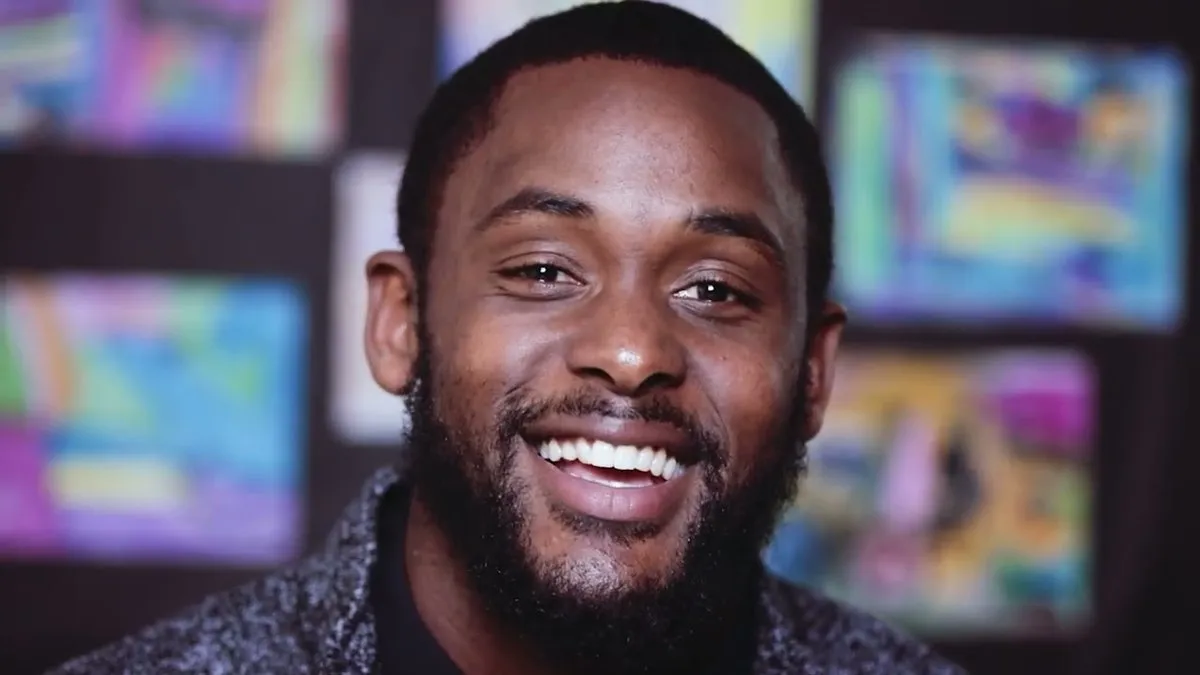
Beverage distributors on the software that runs their day, a security research team on why its work matters, school parents, and alumni on what changed. Testimonials work when the person is comfortable and the questions are good.
 Securonix Threat Labs
 Rocketship Texas parents
 Curable
 Room to Read alumni
Transcripts
Read what the videos above say. Speaker names are from the films; the text is lightly cleaned from the spoken word.
Securonix Threat Labs: why security content matters
Our customers' mission is to protect themselves, and a platform for normalized data and queries is part of that journey of protecting oneself, but the content we put on top of the SIEM enables better protection. I see SIEM as the platform and content as the operating system, or SIEM as the mobile phone and content as the applications that the end users use today. So having the right content is imperative for multiple reasons, but the primary reason here is that we don't want organizations to spend their time trying to hunt, trying to build net new content. They should be more focused on securing their environment, so having the right content emphasizes that.
Let's talk about the critical issues that exist in SIEM today. Configuration is tedious, SIEM is just too noisy, or it needs expert analysis. Fundamental to solving any of these problems is having the right content, which is precise, which is actionable, it's for their geo, for their organization, which is custom delivered for them, and that's exactly what Securonix does.
So we take a three-pronged approach. We start with threat research. Our threat research team keeps an eye on all active and emerging threats. They run those in our labs, look at the behaviors of how the attack manifests, and they work on translating that behavior into detection content.
We also take a more threat-hunting-based approach as well, where we sift through tons of logs and use those insights to augment what we already have as content. The third part is our intelligence and community channels, where we also partner with other technology vendors and other communities that we are a part of, from a research and detection standpoint, and use the insights that we learn from there to improve our content.
We produce content in multiple forms. We start with threat advisories and blogs. That's the first thing that we intend to publish as we keep an eye on any active and emerging threat. Additionally, we have a new bot that we launched in the last year called Autonomous Threat Sweeper, and what that bot does is consume the intelligence, consume the TTPs that we see from our lab observations, and run a historical scan to see if there's any presence of these threats at customer environments.
So we publish the inputs that the bot consumed in the form of intelligence that goes out, and we've made it open source as well for other customers and the community to consume. The third form is actually our detection content, which goes into our library, which is made available as part of a cloud-based service to our customers.
ATS, or Autonomous Threat Sweeper, is nice because you can find it once in somebody's environment, or create it because of threat research, open threat research. You can say here are some patterns that we should be looking for, here are some of the vulnerabilities that people have been looking at or exploiting, look for identifiers, indicators of those. And then if you find it in somebody's environment, or if you create it on the fly, you can then apply that across all of the clients so that everybody gets the benefit.
Rocketship Texas: family recruitment film
It's really rare to hear kids saying, in my case my son, always saying that he wants to go to Stanford and he wants to be a geneticist. And this is what the school does. It's not only school. The school is part of my family. Every single teacher in the room is part of my daughter's journey, and she has made up her mind that she's going to go to college no matter what. A great school partners with the community, and that's what Rocketship is doing.
Curable Groups: a customer story
Laura Seago, co-founder of Curable: Hi, I'm Laura Seago and I'm one of the co-founders of Curable. I cannot wait for you to experience Curable Groups. To explain more about Curable Groups, I have brought with me two of the experts you could be working with in the program, Jane Risley and Allison Akhnoukh. Allison, one of the really unique things about the Curable Groups program is that it combines three different, very powerful approaches. You have this group healing aspect, expert support, and what we call guided introspection. Why is it that you think that addressing recovery from all of these angles is so important?
Allison Akhnoukh: So all the best practice in education right now is pointing towards what we call a flipped learning model. And what that means is you have the opportunity to digest high-quality content on your own, do some exercises to reflect against that, and then come together in a small group setting to continue to solidify your learning. What's important to emphasize, however, is that all three pieces really need to work together. And when they do, it's very powerful.
Laura Seago: As you both know, once someone joins the Curable Groups program, they're going to become a part of this tight-knit group of ten chronic pain sufferers who meet weekly to discuss their healing. And those groups are going to be joined by two expert facilitators, of which you are two. So, Jane, you've had experience with small groups in the past. What has that been like, and why do you think that this group setting is so effective for healing?
Jane Risley: I feel that small groups are an invaluable tool in the healing process. For ten years, I was the facilitator for small groups dealing with domestic violence and sexual assault. I saw so much healing going on in those rooms. So, when I decided to embark on a journey to heal my chronic pain, I actually sought out a model that would involve small groups. And I found it, and I was very successful with it and loved it.
Laura Seago: In addition to these small healing groups, everyone who participates in the program is going to have access to a monthly group session with one of Curable's advisory board physicians. Now, Jane, you had access to Dr. Strax, who is one of the physicians they will interact with during the program. What did having a credible physician involved in the process do for you?
Jane Risley: It was important to me to have a physician's seal of approval on the path I had chosen. It empowered me and gave me confidence in the process.
Laura Seago: So, we've gone over the group healing component and the expert support component. The only component we haven't really covered is this guided introspection. And that's going to come in the form of 90-minute video workshops that are designed to help people really dig deep and reflect on what's going on for them. You have both had a chance to experience these workshops on your own. Allison, what do you think these workshops are going to unlock for people?
Allison Akhnoukh: So, what's so fabulous about these workshops is that they really give you the time and a safe space, taking as much time as you need to really do the exercises and think about what's causing your pain. I also love the fact that you have access to them forever. So, they're always going to be part of your toolkit.
Laura Seago: And to all of the future members of Curable Groups out there, I just want to say welcome to the family. We all can't wait to sit beside you and see what kind of transformation this whole journey brings.
Customer story video production
One customer, the whole arc.
A customer story is one customer's full account on camera: the problem they had, why they made the switch, and what changed, in about 90 seconds, built for the sales deck and LinkedIn. We direct it as a remote interview or film it on a crew day at their site, and post-production is $2,430 per story.
- About 90 seconds
- $2,430 per story
- $2,070 each at ten or more
- Remote interview included
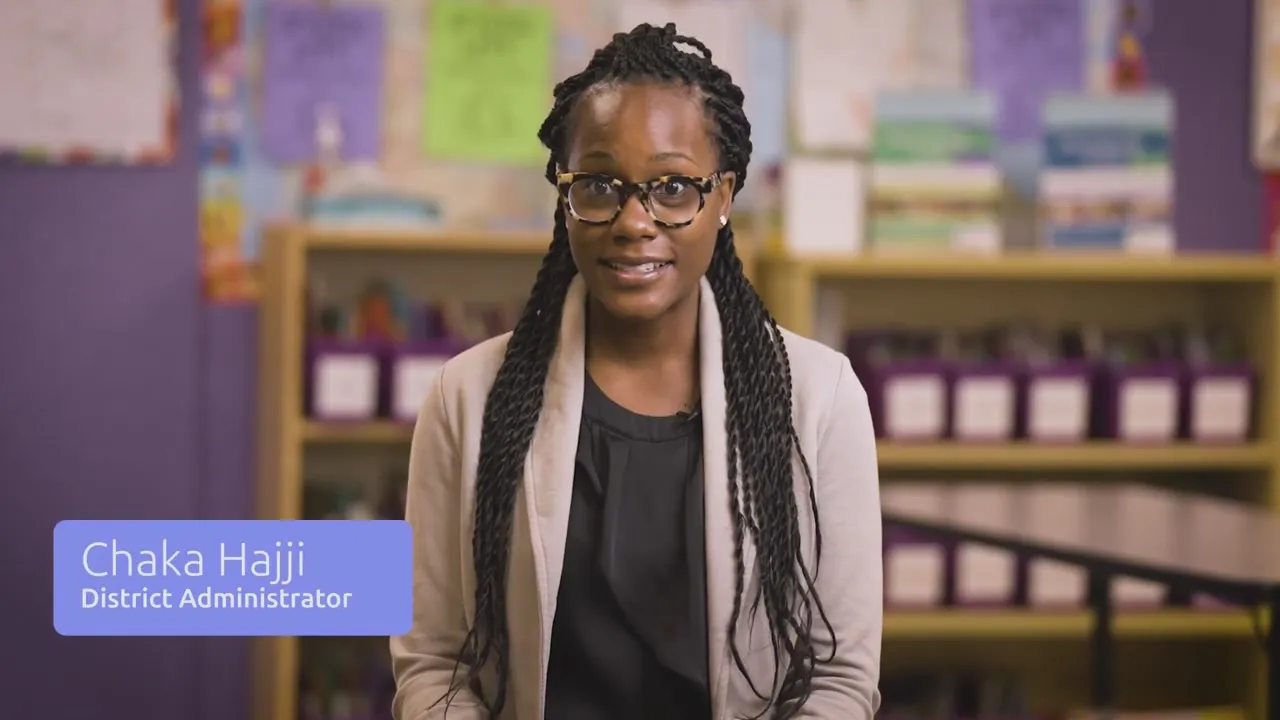
Story, not sound bite
A testimonial is the best 45 seconds. A customer story keeps the before, the decision, and the after, so a prospect hears their own situation described by someone who was in it.
Interviewed, never scripted
A pre-call, good questions, and a conversation. The usable footage starts about four minutes in, when the customer forgets the camera.
Everything it becomes
One interview also yields the 45-second cut for the web page, a product spotlight, and social clips in 9:16 and 4:5, each a line on the menu below.
Case study video production
The story, with the numbers in it.
A case study video is a customer story with the results on screen: the baseline, the change, and the figures the customer is willing to say on camera. Same length and same rate as a customer story, and when the numbers need charts, motion graphics are quoted per video.
- About 90 seconds
- $2,430 per video
- Numbers on screen
- Motion graphics quoted per video
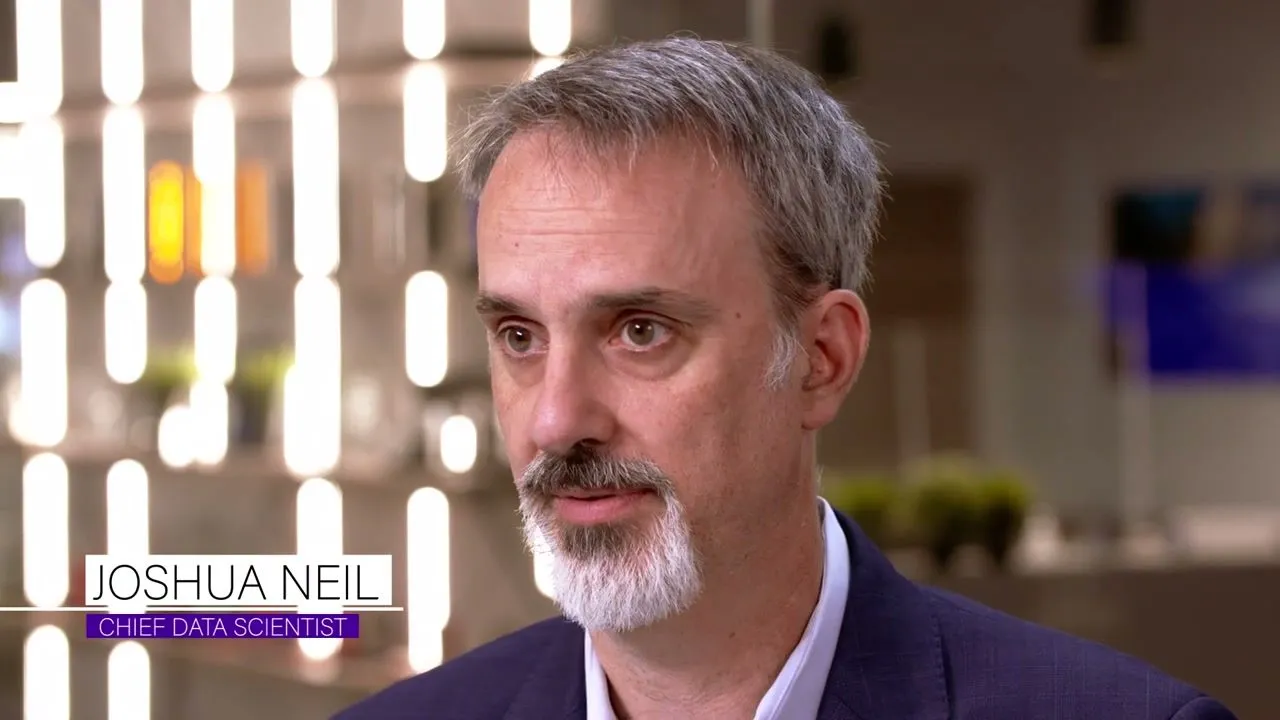
What we need from you
The customer, one call, and the numbers they will approve on the record. We handle the questions, the releases, and the proof points on screen.
Where it does its work
Pricing page, proposal deck, and the follow-up email after a demo. The sales team gets the long cut, the web page gets the 45-second version.
Several customers, one theme
When the case is stronger in three voices than one, the Several voices line on the menu cuts them together at $27 per finished second.
Or buy the year
A year of customer stories, one invoice.
Prepaid packages put credits in your portal, and every interview turns into testimonials, stories, spotlights, and clips at these rates all year, with no new estimate each time. Get up to $40,000 free on prepaid video production packages when you buy by January 31, 2027.
See the packages →What you get
- Customer testimonial, about 45 seconds
- Customer story, 60 to 120 seconds
- Product spotlight, about 30 seconds
- Social clips, 9:16 and 4:5, captioned
- Headline quote and blurb for the web page
- Transcript, releases, and the masters
What it costs
Customer stories are $27 per finished second from the interview, $23 at ten or more videos in one order, with the remote interview included: a 45-second testimonial is $1,215, a 90-second story $2,430. Cuts with several customers in them are $27 per finished second. B-roll and motion graphics are add-ons, and filming is quoted per shoot day.
Get a quoteQuestions
Before you ask.
How much does a testimonial video cost?
Post-production from the interview is $27 per finished second, or $23 when one order has ten or more videos, and the remote interview is included. A 45-second customer testimonial is $1,215, a 60-second customer story $1,620, a 90-second story $2,430, a 30-second product spotlight $810, and a social clip $120. That includes transcription, the paper edit, the edit, graphics, music, color, captions, audio cleanup, three revision rounds, and the render. A cut that brings several customers together, a theme across the people you interviewed or one product in several customers' words, is $27 per finished second, because every added voice is a color match, an audio match, a reframe, and a lower third. B-roll cut-in and motion graphics are add-ons, quoted per video. Filming is quoted per shoot day after one call.
What is the difference between a testimonial, a customer story, and a case study video?
A testimonial is one customer's best sound bites, about 45 seconds, name and title on screen. A customer story is that customer's whole arc, the problem, the switch, and the result, about 90 seconds. A case study video is a customer story with the numbers on screen, the baseline and the change the customer is willing to state on camera. All three come from the same interview, and the menu on this page prices each one.
How much does a case study video cost?
The same as a customer story: $2,430 for about 90 seconds at $27 per finished second, $2,070 each at ten or more in one order, with the remote interview, transcription, the edit, lower thirds, captions, music, color, and three revision rounds included. On-screen charts and animated figures are motion graphics, quoted per video. Filming at the customer's site is quoted per shoot day.
What can you make from one customer interview?
Usually all of it: a 45-second testimonial, a product spotlight, one to three social clips, and a share of a themed customer story that pulls several customers together. One good interview, well shot, is the raw material for a quarter of content, which is why we price the videos, not the day.
Can you cut testimonials from interviews we already filmed?
Yes. Send the masters and the transcripts if you have them. The price is the same $27 per finished second, and the first cut usually lands within two weeks of receiving the footage.
How do you get customers to say something useful on camera?
We interview, we do not script. A pre-call, good questions, and a conversation instead of a read. The customer forgets the camera in about four minutes and that is where the usable footage starts.
Can you film customers remotely?
Yes, at no extra charge, and it is how we capture most interviews now. We book the guest, get on the call early, and direct the setup before we roll: where the camera sits, where the light comes from, what is behind them, which mic is on. The recording is made on their own machine with a tool built for it, not a meeting app, so a shaky connection never touches the picture. We mail a mic when their built-in one will not do. A crew day still produces the richer film, and one trip can cover two or three customers in a region, but a well-directed remote interview holds up on a sales page and on LinkedIn.
Do we need legal releases from customers?
Yes, and we bring them. Appearance releases for every person on camera and a location release for the site, cleared before the shoot day.
Also on the menu.
All video services →
Tell us what you need made.
One call, one plan, one team from the first draft to the final render.